How Emergency Tree Removal Services Aid in Post-Weather Disturbance Efforts
Severe weather events pose significant threats to communities and natural landscapes, often leaving behind a trail of destruction that can disrupt daily life. Among the various challenges posed by such weather anomalies, the devastation to trees is not only immediate but also warrants urgent response efforts. Emergency tree removal services play a pivotal role in these recovery efforts, providing much-needed assistance to ensure the safety and stability of affected areas. Their quick intervention helps to restore normalcy, minimizing the risks posed to both human life and infrastructure while also addressing the ecological ramifications. This article delves into the diverse aspects of how these services effectively contribute to post-weather disturbance recovery, emphasizing their indispensable value in community resilience.
Section 1: The Immediate Impacts of Severe Weather on Trees
1.1 Structural Damage to Trees
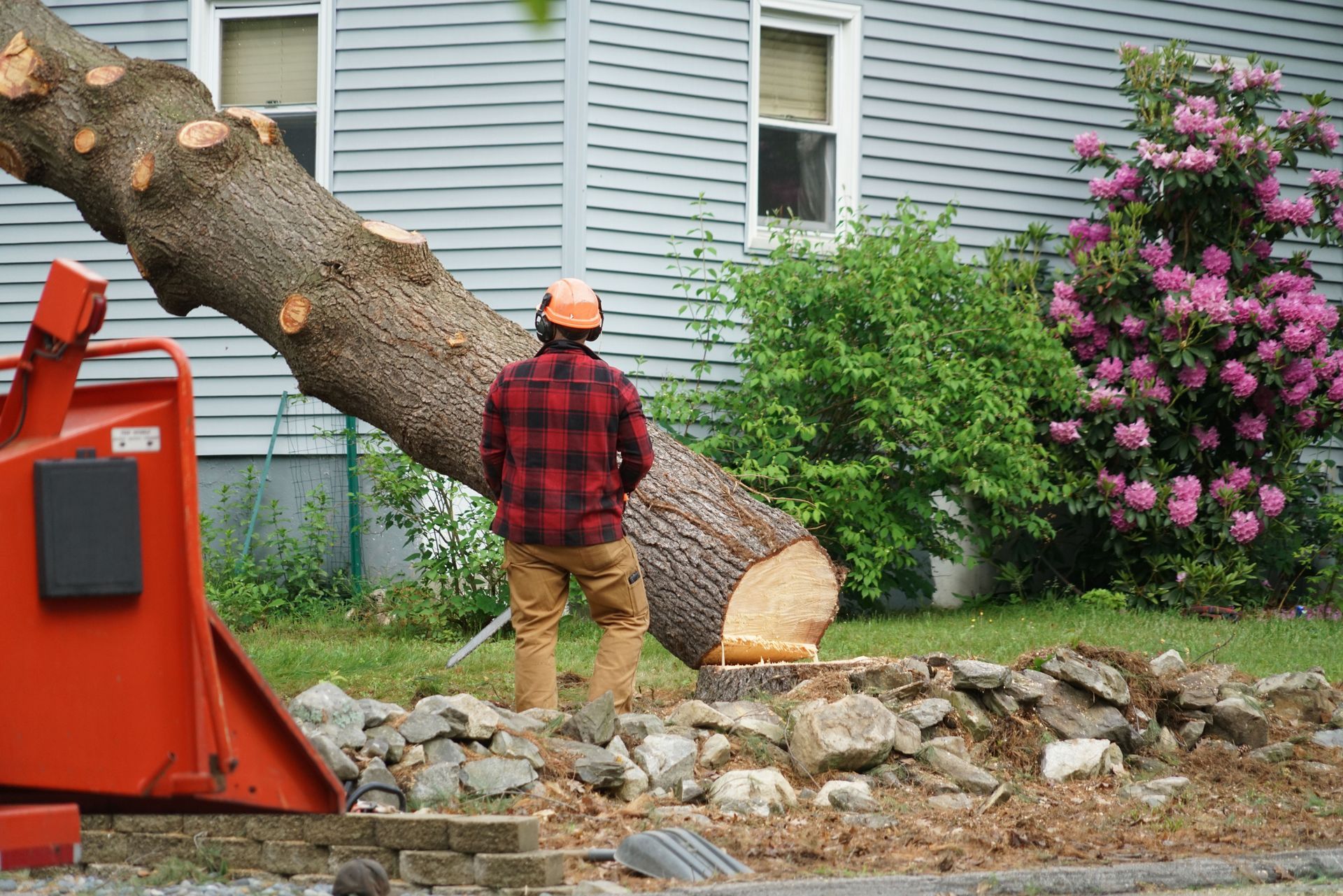
Severe weather conditions such as hurricanes, tornadoes, and heavy storms can cause extensive structural damage to trees. The high winds and torrential rain have the capacity to break branches, uproot trees, or cause them to lean dangerously. Such structural weaknesses not only threaten the survival of the trees but also pose a serious threat to nearby homes and infrastructure. Bent or broken trees can result in hazardous debris scattered across residential areas, creating potential injury threats. Understanding the immediate effects on tree structures post-weather events is critical in mobilizing quick response efforts from experienced professionals.
1.2 Risk of Falling Trees and Limbs
The risk of falling trees and limbs is a significant concern in the aftermath of a severe weather event. Weak or precariously balanced trees can collapse unexpectedly, endangering lives and properties. Emergency tree removal services are often called upon to assess these risks and take preemptive measures to safeguard impacted neighborhoods. Quick identification of potential hazards is crucial to prevent accidents and facilitate safe recovery operations. The prompt removal of unstable trees mitigates the risk of injury and contributes to a swifter return to normalcy.
1.3 Effects on Power Lines and Infrastructure
Trees damaged by storms often interfere with power lines, leading to widespread power outages. Beyond causing communication disruptions, fallen trees can damage infrastructure such as roads and bridges, impeding access and movement. The presence of downed trees can further strain already overwhelmed emergency services, making it imperative to prioritize their removal. According to This Old House, emergency tree removal can cost up to $5,000, but homeowners insurance may cover part or all of the removal cost if the tree falls due to a covered condition like windstorms. Effective coordination between tree removal experts and utility companies accelerates the restoration of essential services. This collaboration emphasizes the interconnectedness of tree maintenance and the broader infrastructure, highlighting the need for timely action.
Section 2: The Role of Emergency Tree Removal Services
2.1 Assessing Tree Stability and Safety
When a severe weather event occurs, one of the initial steps undertaken by emergency tree removal services is the assessment of tree stability and safety. These professionals assess the condition of trees to determine their potential threat to public safety. This evaluation process is vital in prioritizing which trees require immediate attention and which pose minimal risk. Their expertise allows them to identify vulnerable trees that might not be immediately apparent to the untrained eye. By accurately assessing potential dangers, tree removal services can make informed decisions on the necessary interventions.
2.2 Prompt Response and Site Clearance
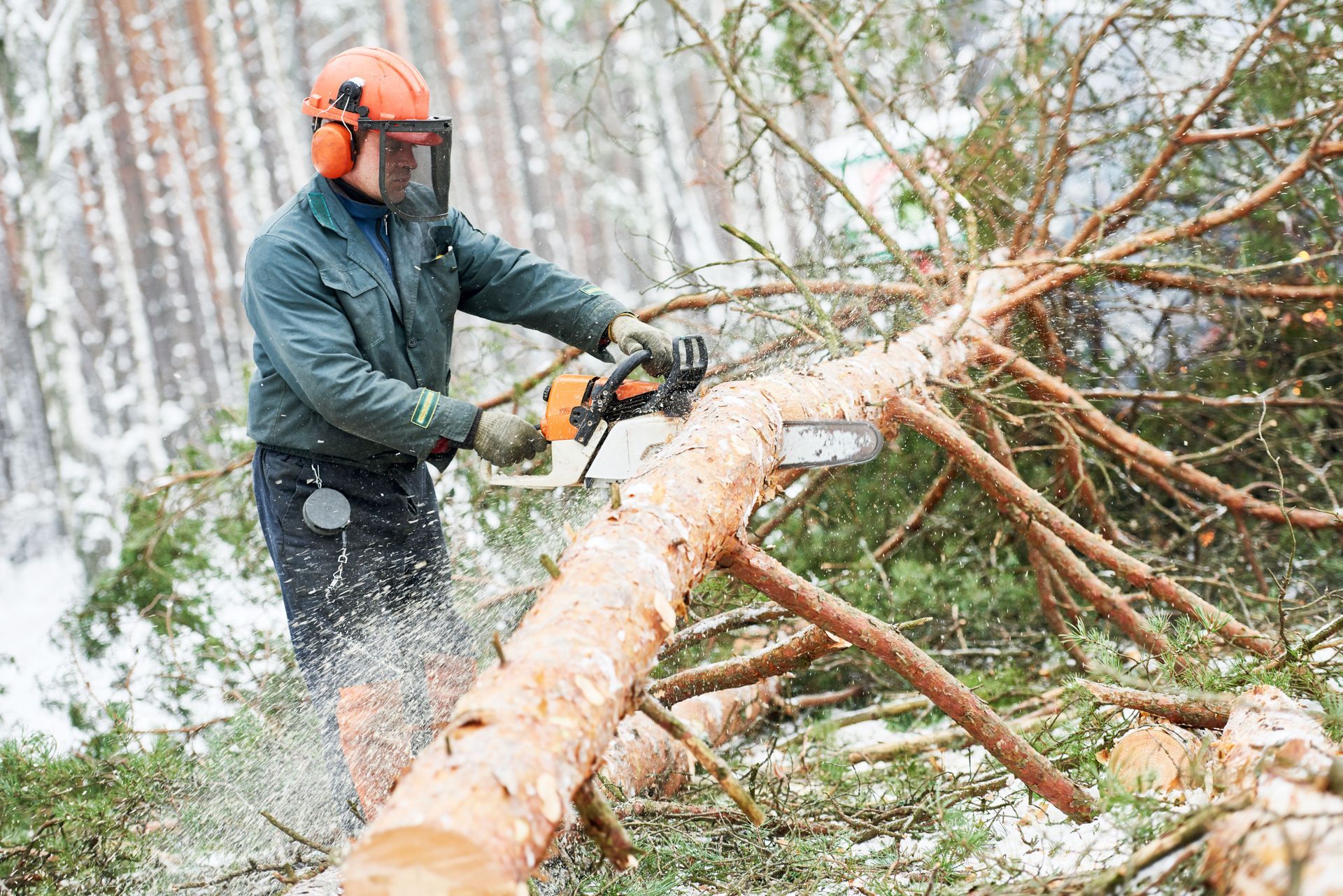
Emergency tree removal services are known for their swift response in the aftermath of severe weather events. Their ability to rapidly mobilize and clear affected sites helps reduce the immediate hazards posed by fallen trees. By expeditiously removing debris, these services not only improve safety but also expedite the recovery process. The efficiency with which they operate is crucial when access routes and infrastructure are obstructed by tree debris. This prompt action aids communities in transitioning from chaos to order, reinforcing the importance of having reliable emergency tree services on call.
2.3 Coordination with Local Authorities and Utility Companies
Coordination between emergency tree removal services, local authorities, and utility companies is crucial in post-disaster scenarios. This collaboration ensures a well-synchronized response to the complex challenges of tree removal and infrastructure repair. By working together, they can prioritize areas most at risk and facilitate faster restoration of utility services. Shared expertise and resources between these entities further enhance the effectiveness of recovery efforts, proving cost-effective in the long run. Such coordinated responses are essential for mitigating the broader impacts of severe weather disruptions.
Section 3: Enhancing Public Safety Post-Weather Events
3.1 Preventing Injury from Fallen Trees
The presence of fallen trees and branches after a severe storm presents a significant safety hazard for residents. Emergency tree removal services play a critical role in preventing injuries by quickly removing potential threats from public and private spaces. Their systematic approach in rolling out safety measures lowers the risk of accidents, especially in high-traffic areas. By prioritizing the most vulnerable zones, these services effectively safeguard community members from physical harm. As a result, trust in community resilience and safety is reinforced, fostering a sense of security amid recovery efforts.
3.2 Reducing Road and Traffic Hazards
Severe weather events often leave roads cluttered with tree debris, impeding the flow of traffic and posing risks to motorists. Emergency tree removal services work diligently to clear these hazards, ensuring that transportation routes are safe and accessible. Prompt clearance of roads and pathways alleviates traffic congestion, promoting smooth movement for both emergency services and everyday commuters. As normalcy is restored, the likelihood of road incidents diminishes, promoting a safer transportation network. This commitment to road safety highlights the vital role tree removal experts play in infrastructure recovery.
3.3 Ensuring Safe Access to Emergency Services and Evacuation Routes
Maintaining clear access to emergency services and evacuation routes is essential during crisis situations. Fallen trees can block critical pathways, delaying the delivery of emergency aid and evacuation procedures. Emergency tree removal services prioritize clearing these vital routes to ensure the swift delivery of assistance to affected communities. By facilitating unobstructed access, they enable effective response efforts and reinforce the community's preparedness for future emergencies. This focus on accessibility is a testament to their commitment to safeguarding public welfare and enhancing response efficiency.
Section 4: Environmental and Economic Benefits of Swift Tree Removal
4.1 Preserving Local Flora and Fauna
The swift removal of damaged trees contributes to preserving local flora and fauna. Downed trees left unattended can disrupt ecosystems, endangering various plant and animal species that depend on them for survival. Emergency tree removal helps mitigate these disruptions by removing decaying or hazardous debris that could detrimentally impact the environment. By acting swiftly, tree removal services protect natural habitats and maintain the ecological balance necessary for biodiversity. This intervention underscores the interconnectedness between human activities and environmental preservation.
4.2 Preventing Secondary Damage from Dead or Downed Trees
Secondary damage from dead or downed trees can compound the challenges faced by communities recovering from severe weather events. Besides posing a risk to structures, these trees can obstruct emergency operations, exacerbating the situation. Quick tree removal effectively prevents further harm by eliminating potential sources of damage and streamlining recovery efforts. Consequently, communities face lower repair costs and quicker restorations, supporting a more resilient post-disaster landscape. The proactive measures undertaken by tree removal services yield long-term cost-saving benefits for affected areas.
Emergency tree removal services are indispensable to mitigating the challenges posed by severe weather disturbances. Their quick and effective response ensures the safety of people and infrastructure, accelerates recovery efforts, and supports environmental sustainability. As communities face increasing weather-related threats, it is crucial to raise awareness about the importance of these services and invest in their capacity. Homeowners can benefit from this expertise, with emergency tree removal costs reaching up to $5,000, but insurance may cover part or all of this cost due to conditions like windstorms. By promoting preparedness and resilience, we can build stronger, more prosperous communities, better equipped to navigate and recover from future weather events. Reach out to Eduardo's Tree Service today to see how we can help!

Share On: